Tragedy and Risk in the Tarsin Region
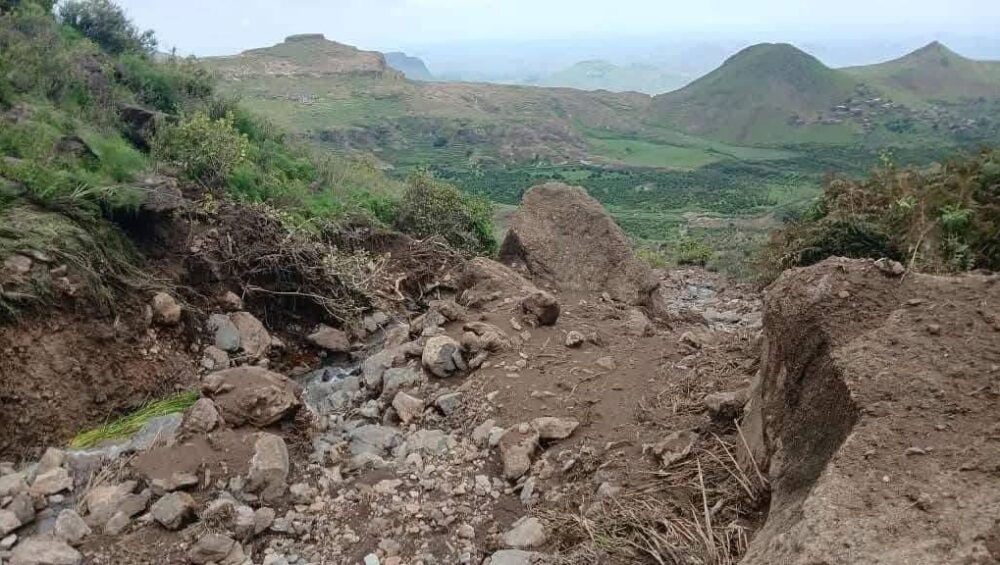
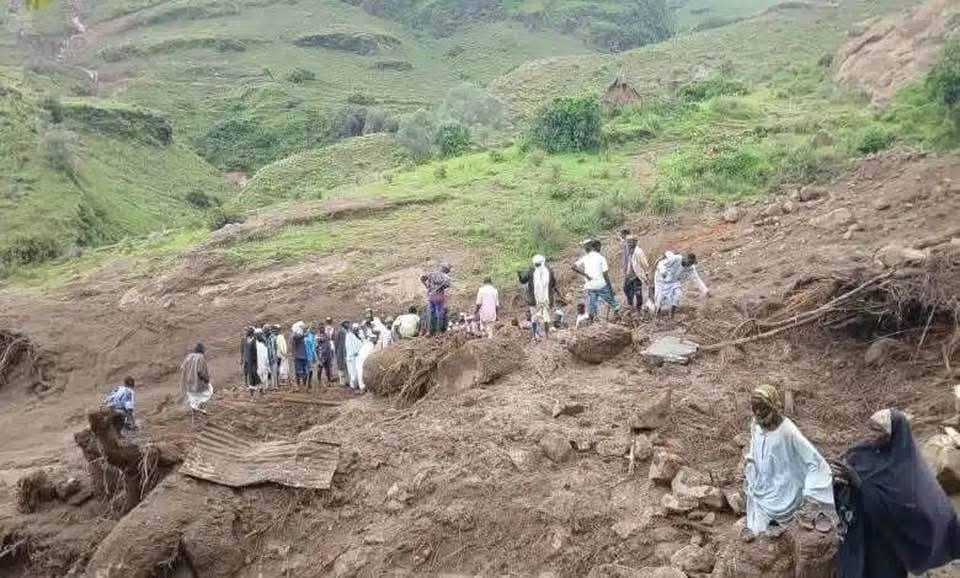
On September 2, 2025, the village of Tarsin, located in the northeastern part of Jabal Marra, southwest of the Soni region, south of Darfur, once again exposed the dangers of its fragile landscape. The entire area lies within a volcanic range and an active tectonic zone, with signs of a dormant convergence belt stretching southeast for dozens of kilometers. This geological setting makes landslides tragically foreseeable, as seen in similar events that impacted the southeastern area four years earlier.
Geological Hazards
The region contains solid volcanic and metamorphic rocks such as basalt, gneiss, and granite.
- Vertical cliffs, shaped by erosion and ventilation, have been further weakened by climate change and rainfall.
- These processes create fragile surface layers that are prone to collapse.
- As environmental activity persists, landslides and layered collapses remain an ongoing threat.
Gaps in Scientific Knowledge
Despite the risks, there is no comprehensive geological survey of the Tarsin region conducted by the Geological Research Board. - Only limited studies exist, mostly from German researchers conducted decades ago.
- There are no updated geological maps,
- No continuous monitoring, and
- No localized risk assessments.
This lack of data makes prediction nearly impossible and leaves local communities dangerously vulnerable.
A Call for Action:
- Protect Communities – Advise residents to avoid settling in areas that are high-risk for landslides.
- Use Modern Technology – Employ remote sensing and satellite imagery for early warnings.
- Increase Scientific Support – Fund new geological studies and hazard mapping for the region.
- Encourage Preparedness – Raise awareness and provide training for local communities on how to respond when landslides happen.
The martyrs and victims of Tarsin remind us that disasters in this region are not solely natural—they are intensified by the lack of science, planning, and preparedness. To honor their memory, we must take action: by applying scientific solutions, modern technology, and responsible land-use strategies, we can save lives and strengthen resilience before the next disaster occurs.