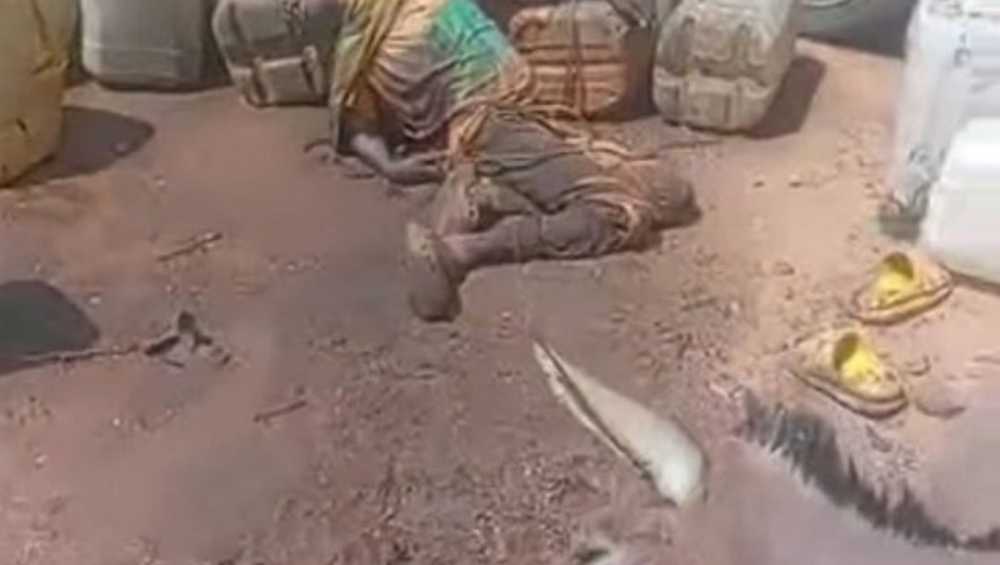
On the first day of Ramadan, the village of Um Rasuma in West Kordofan State became the site of a devastating drone strike that killed 26 civilians, including 15 children, and wounded 14 others. The attack targeted residents gathering at the village’s main water source to secure drinking water for their families.
The strike occurred at approximately 1:00 PM, a time when families traditionally gather to collect water during the afternoon hours. What should have been a routine task securing basic drinking water became a scene of carnage as the drone fired on civilians at a location described by rights monitors as “entirely devoid of any military presence.”
The Attack
According to field reports collected by the Darfur Network for Human Rights and corroborated by the Emergency Lawyers monitoring group, the drone strike directly targeted the gathering site at the water well. The timing and location of the attack civilians at a water source, on the holy day marking the beginning of Ramadan has been condemned as a deliberate assault on innocent civilians.
Kordofan’s Escalating Drone War
The Um Rasuma strike occurred within a broader pattern of intensifying drone warfare across the Kordofan region. Between February 15-18, 2026, multiple drone strikes killed at least 57 civilians across four Sudanese states.
The attacks included:
- February 15: Al-Safiya market, North Kordofan; 28 civilians killed when drones struck a crowded marketplace during peak shopping hours
- February 16: Al-Sinnut displacement shelter, West Kordofan; 26 civilians killed, including multiple children, in a strike on a shelter for internally displaced persons from South Kordofan
- February 18: Um Rasuma water well, West Kordofan; 26 civilians killed, including 15 children, while gathering drinking water on the first day of Ramadan
A Sacred Time Violated
The timing of the Um Rasuma attack carries particular significance. Ramadan, Islam’s holiest month, is a period of fasting, prayer, and reflection. For Muslims worldwide, it represents renewal, compassion, and community. The first day of Ramadan traditionally begins with special prayers and gatherings as families prepare for the month ahead.
Instead, Um Rasuma’s residents spent the first day of Ramadan burying their children and neighbors.
The Emergency Lawyers monitoring group called for an immediate truce during the holy month of Ramadan to ensure civilians have access to water and necessities. “The location was entirely devoid of any military presence,” their statement read, labeling the strike “a brutal and deliberate attack on innocent civilians.”
Targeting Life’s Essentials
Water sources have become deadly zones in Sudan’s escalating conflict. The Um Rasuma strike represents a disturbing pattern: the targeting of essential civilian infrastructure that people cannot avoid using.
In areas under siege or displacement, access to clean water is already severely limited. Families must gather at communal water sources wells, pumps, or distribution points making these locations predictable for gathering sites. Attacking civilians at water sources effectively weaponizes one of life’s necessities.
The deliberate nature of such attacks is evident in their execution. Drones provide operators with real-time visual confirmation of targets. Those controlling the drone that struck Um Rasuma would have seen civilians including children gathering at a water well in a village with no military installations or combatants present.
West Kordofan Under RSF Control
The entire state of West Kordofan is currently under the control of the Rapid Support Forces (RSF). However, responsibility for the Um Rasuma drone strike has been attributed to the Sudanese Armed Forces (SAF), which has intensified its drone campaign across RSF-held territories in the Kordofan region.
Both the Sudanese army and the RSF are battling for control of Sudan’s vital east-west corridor, which connects the RSF-held western Darfur region, through El-Obeid, to the army-controlled capital Khartoum. The Kordofan states have become the primary theater of this strategic competition, with civilians bearing the overwhelming cost.
The RSF seized control of El-Fasher in October 2025 after an 18-month siege, unleashing documented atrocities including mass killings, sexual violence, and systematic extortion against civilians. Since then, the military conflict has intensified across the Kordofan region, with both sides increasingly relying on drone warfare.