Yesterday marked the International Day to End Impunity for Crimes Against Journalists — a reminder that truth-telling in conflict zones is not only dangerous, it is life-threatening.
In Sudan, this danger is not symbolic. It is unfolding in real time.
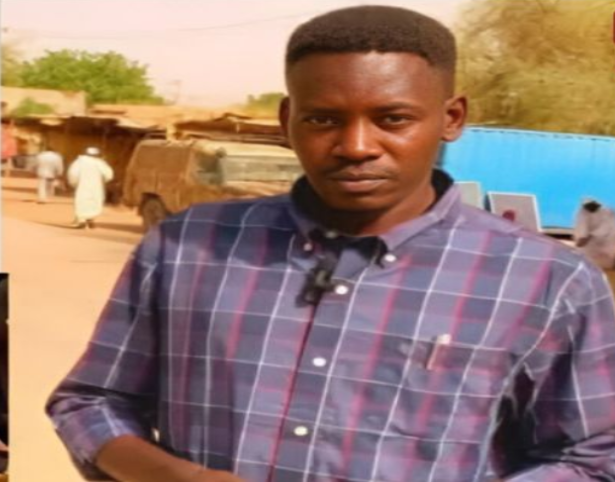
On 26 October 2025, Sudanese journalist Muammar Ibrahim, a correspondent for Al Jazeera, was detained by the Rapid Support Forces (RSF) in El-Fasher, North Darfur, as RSF forces intensified their offensive on the besieged city.
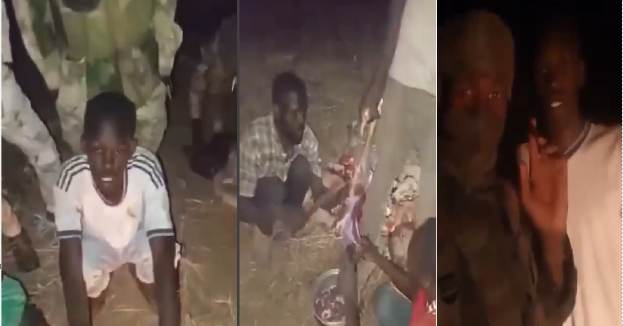
Footage circulating online shows Muammar surrounded by RSF fighters, visibly under pressure, attempting to assert his neutrality as armed men force him to speak on camera. In another clip, he is crouched, struck by a fighter, mocked about food, and coerced to praise his captors.
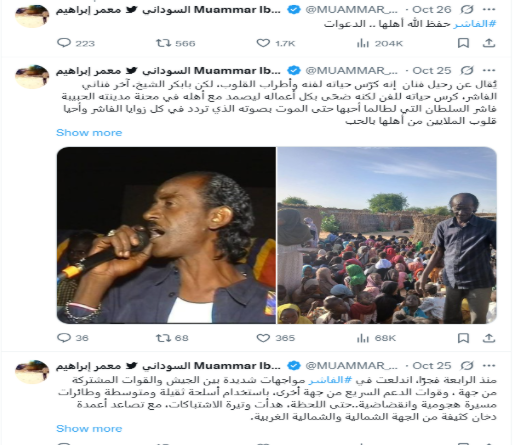
Muammar has reported from El-Fasher throughout the war — documenting starvation, shelling, displacement, and the resilience of civilians trapped under siege. His last post before his detention read:
“May God protect the people of Al-Fasher.”
His detention is not an isolated act.
It is part of a wider campaign to intimidate, silence, and eliminate voices shedding light on atrocities in Darfur — including journalists, human rights defenders, and community reporters risking their lives to document abuses.
Journalists in Sudan are being targeted for doing their job:
to bear witness, to inform the world, and to stop truth from being buried with the dead.
DNHR calls for all international media, press freedom organizations, and human-rights mechanisms to amplify Muammar Ibrahim’s case and demand protection for all journalists and human-rights monitors in Darfur.
Impunity emboldens violence.
Silencing journalists erases victims.
In Sudan, reporting the truth has become a life-or-death act of courage.
The world cannot allow those who document atrocities to disappear in silence.