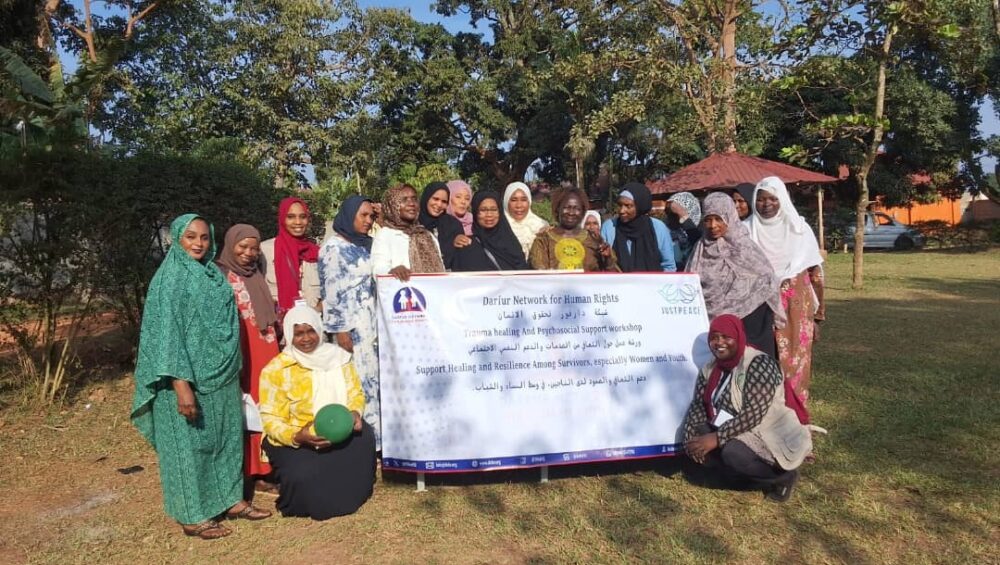
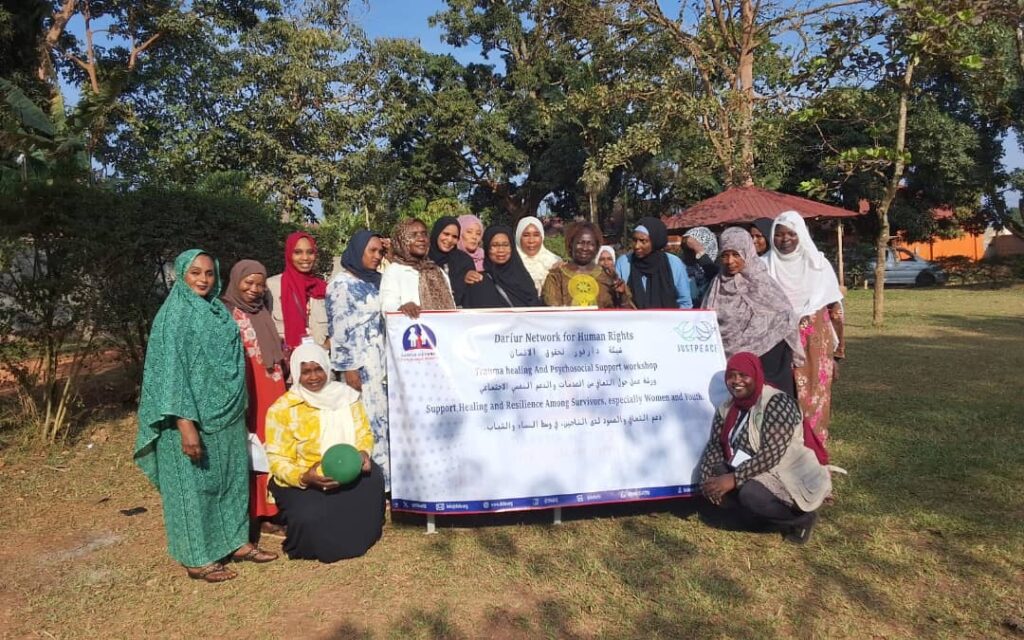
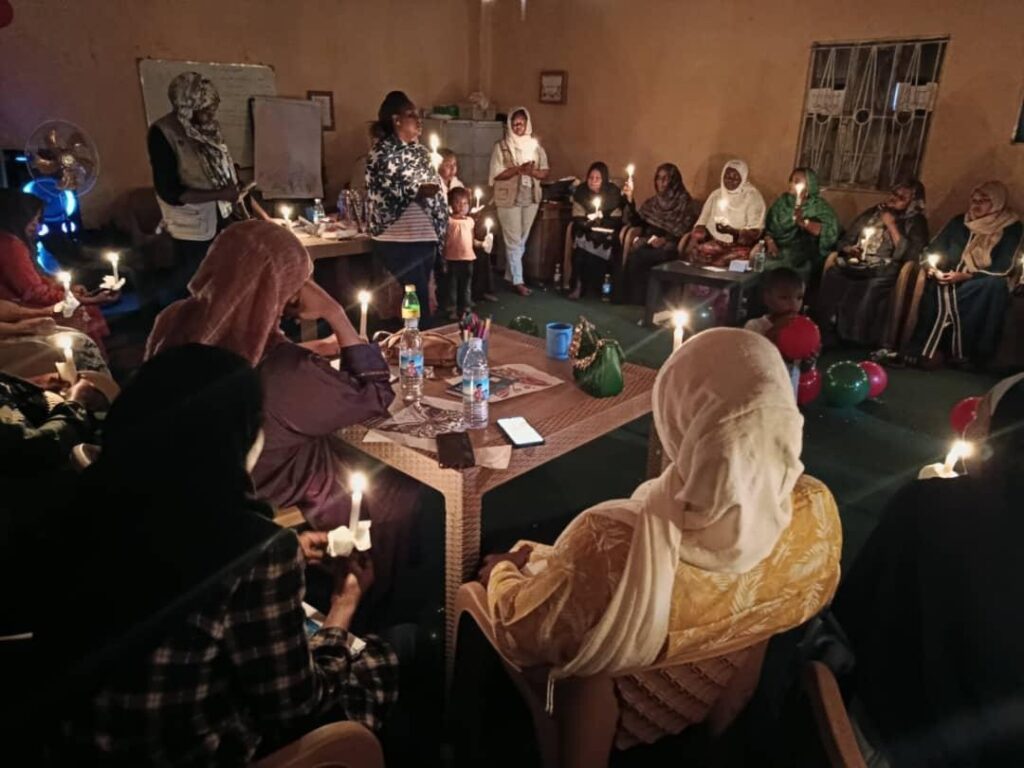
A trauma healing and psychosocial support training reached 41 Sudanese women and youth on 3-4 August 2026. Organizers delivered the training across two groups: 20 participants on the first day and 21 on the second. All were survivors directly affected by the war in Sudan, now living as refugees in Uganda. Most came from Darfur and South Kordofan, regions heavily affected by the ongoing conflict.
Why the Training Was Needed
Participants were already living with the effects of trauma and displacement while trying to rebuild their lives. Many struggled with painful memories, loss, daily stress, and major changes to their family and community life. Therefore, the training aimed to help participants understand trauma in clear, everyday language and to reduce shame around common trauma reactions. Facilitators explained that responses like poor sleep or difficulty concentrating reflect stress, not weakness.
What the Training Covered
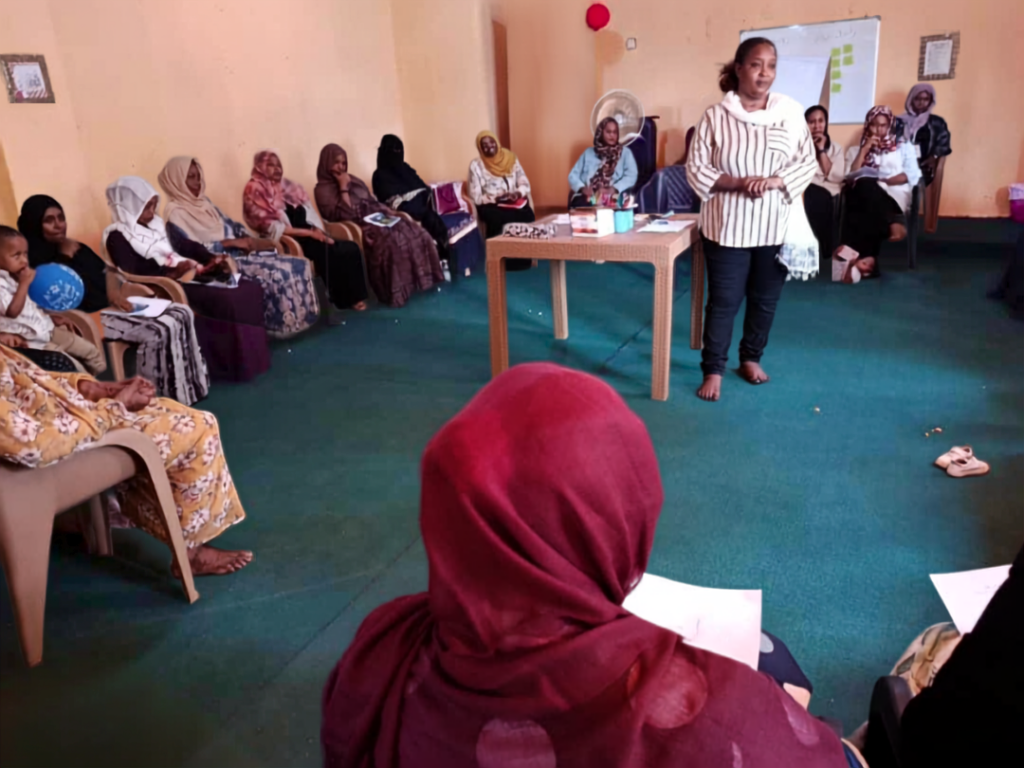
Sessions addressed the types and effects of trauma, healthy coping mechanisms, storytelling and sharing, story documentation, art therapy, emotional regulation, and self-care. Overall, the approach stayed participatory and gentle, combining guided discussion, personal reflection, creative expression, and practical exercises. Importantly, sharing remained entirely voluntary, and facilitators never required participants to disclose personal trauma stories to take part.
Participation and Emotional Response
Among the second group of 21 participants, 21 took part in an art therapy drawing activity. In addition, 19 voluntarily shared personal stories about attacks on their villages, losses they experienced, and family members who had died.
During these sessions, most of the women became tearful while sharing their stories. However, facilitators treated these reactions as human responses to painful memories, bereavement, and displacement, not as weakness. This underscored the need for gentle listening, space to pause, and continued psychosocial support after the training ended.
What Participants Asked For Next
Notably, participants requested additional trauma-healing training, reflecting strong interest in continued learning and support beyond the programme. As a result, recommendations from the training include organizing further sessions, offering confidential follow-up support with consent, and strengthening referral links to mental health and protection services. The training also recommended supporting small peer groups where participants can continue to connect.
DNHR Position
DNHR recognizes that healing from the trauma of war and displacement is not a single event, but an ongoing process. This training offered participants practical tools for emotional regulation, expression, and self-care, while respecting their right to choose what they share and with whom. Therefore, DNHR supports the training’s recommendations for continued sessions, safe referral pathways to specialized care, and sustained psychosocial support for Sudanese refugee women and youth in Uganda and beyond.