Transitional justice in Sudan cannot be discussed without confronting the conditions people are living through today: continuing violence, displacement, missing relatives, and limited access to justice. What can be done while the war continues, and how can survivors help shape that work?
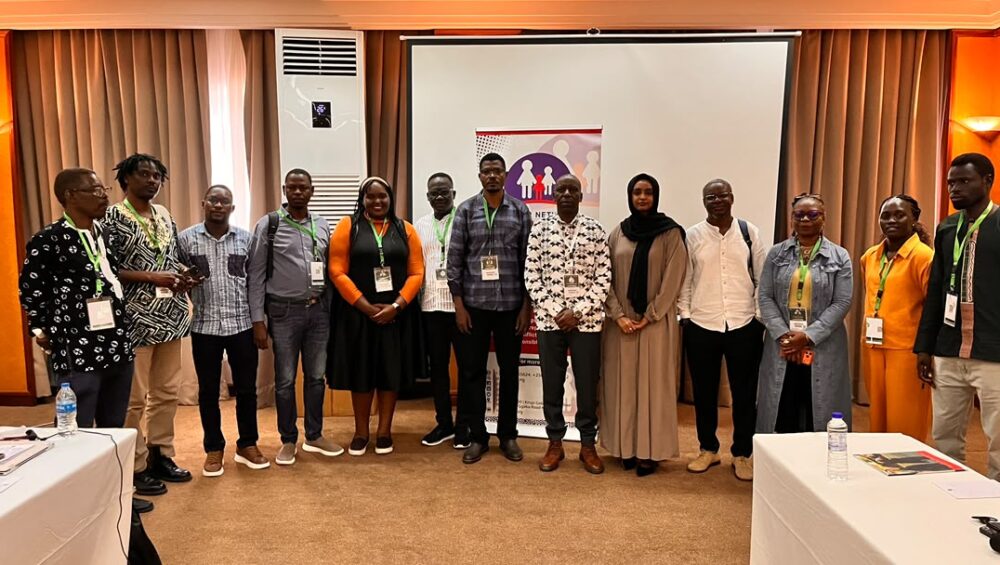
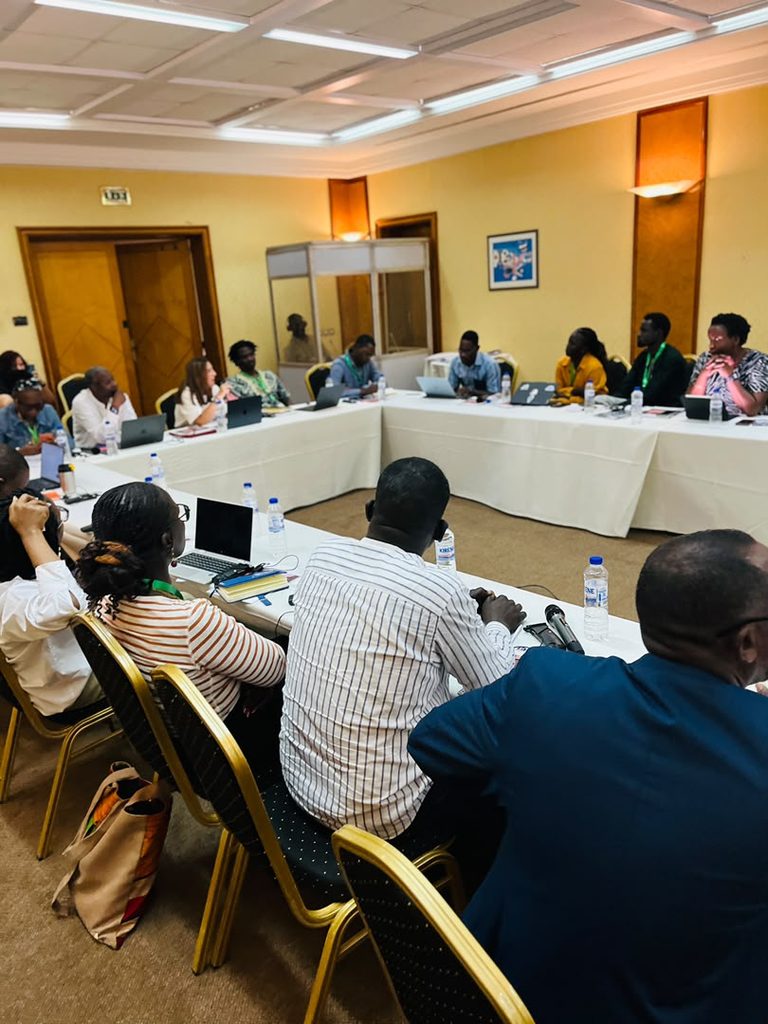
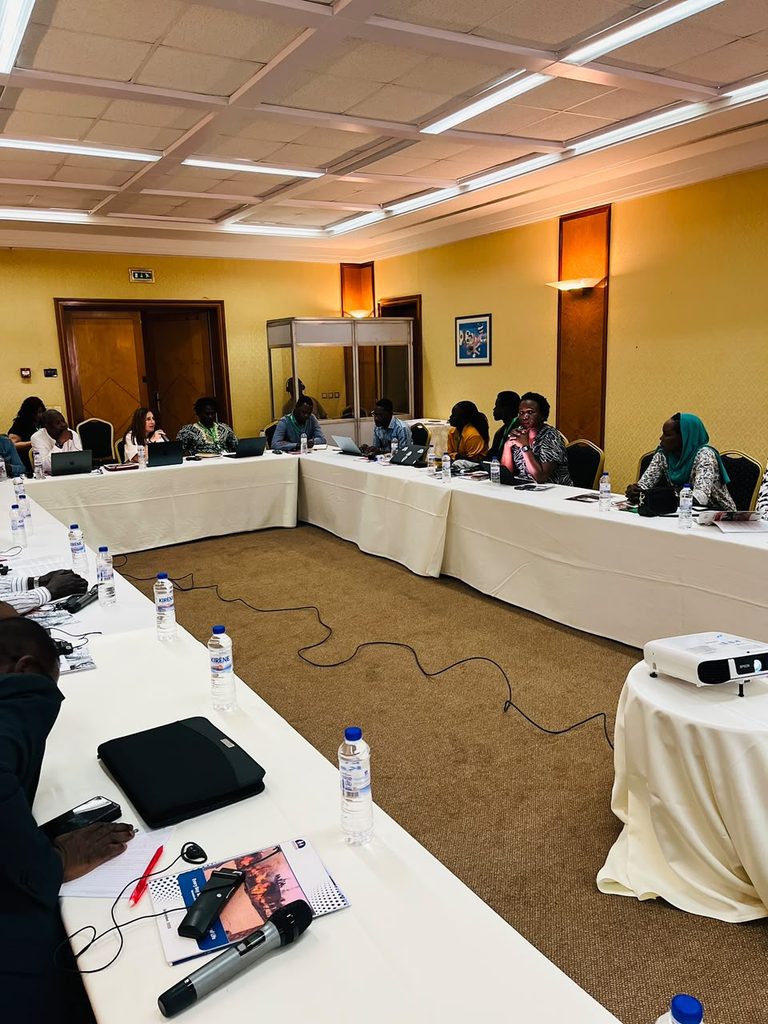
These questions brought more than 40 participants together for “All Eyes on Transitional Justice for Sudan,” organized by the Darfur Network for Human Rights (DNHR) on October 14, 2026. Held during the 89th Ordinary Session of the African Commission on Human and Peoples’ Rights (ACHPR) in Dakar, Senegal, the event examined practical steps toward truth, accountability, reparations, and the prevention of further violations.
Survivors, civil society representatives, human rights practitioners, and Commissioner Selma Sassi-Safer joined the discussion at the Saint Louis Conference Hall, King Fahd Palace Hôtel. The purpose was to build a shared understanding of what transitional justice could involve in Sudan and develop recommendations for taking it forward.
Accountability and the Case for a Special or Hybrid Court
The program opened with a virtual contribution from Dr. Rumbidzai Dube before panelists examined the relationship between prosecutions and broader justice measures.
Mohammed Elgizoly Adam, Program Manager at The Reckoning Project, placed the current conflict within Sudan’s longer history of impunity. He called for consideration of an independent special or hybrid court to address serious international crimes.
He emphasized that a credible court would require qualified judges and prosecutors, adequate resources, fair-trial guarantees, and meaningful survivor participation. Prosecutions would also need to form part of a wider process involving truth-seeking, reparations, and institutional reform.
Audience members returned to accountability during the discussion. They questioned whether peace agreements could allow people accused of serious violations to regain political power without facing justice, leaving survivors’ claims unresolved.
Reparations for Displaced People and Refugees
Commissioner Selma Sassi-Safer focused attention on displaced and refugee communities. She serves as the ACHPR’s Special Rapporteur on Refugees, Asylum Seekers, Internally Displaced Persons and Migrants in Africa and is a member of the joint ACHPR and African Union Fact-Finding Mission on Sudan.
Drawing on the mission’s work, including its January 2026 field mission to Chad, she connected justice with reparations, land and housing, safe and dignified return, and participation. She also invited Sudanese civil society to contribute further documentation.
Her contribution highlighted a practical concern for any future transitional justice process: people displaced within Sudan or living as refugees must be able to influence decisions about their rights and the remedies they need.
Preparing for Transitional Justice During the War
Imran Darboe, co-founder of Fantanka, discussed how the African Union Transitional Justice Policy could guide work during the conflict.
He distinguished humanitarian assistance from reparations. Emergency assistance responds to urgent needs, while reparations must also recognize the violation and the harm suffered. This distinction matters when considering what justice should deliver for survivors.
He identified documentation of missing relatives, property losses, destroyed livelihoods, and lost identity documents as work that can help prepare for future remedies. He also cautioned against allowing discussions of prosecutions to crowd out other justice measures, while maintaining that accountability remains essential.
Survivor Participation Must Shape the Process
Dr. Priscilla Yagu Shalom Ciesay, a DNHR Board Member and Senior Technical Advisor at WAVE-Gambia, examined how justice efforts engage survivors, particularly women and girls.
She called for better coordination among organizations to reduce repeated interviews and the risk of retraumatization. She also questioned assumptions about who benefits from assistance, noting that support reaching a household does not necessarily reach every woman or girl within it.
Her contribution emphasized that survivor participation must influence the design of justice measures. Understanding people’s priorities requires attention to their individual circumstances, choices, and access to support.
Why Civic Space Matters for Justice in Sudan
Byaruhanga Andrew, Executive Director of Resource Rights Africa, addressed the shrinking civic space available to journalists, human rights defenders, and civil society organizations.
Threats, communications restrictions, damaged media infrastructure, and displacement make independent reporting and evidence preservation more difficult. Protecting those doing this work is therefore central to future truth-seeking, accountability, and reparations.
Participants also raised questions about alleged external involvement and the economic networks that may sustain the conflict. They called for independent investigation, international cooperation, and continued documentation, with accountability claims grounded in credible evidence.
Political fragmentation presented another concern. Participants questioned how justice mechanisms could remain independent and credible when authority is contested and institutions are weakened.
From the Dakar Discussion to Continued Action
The event identified several priorities for work during the war: preserving evidence safely, documenting harms relevant to future remedies, improving coordination, supporting survivor participation, and protecting civic space.
DNHR is drawing on these recommendations to develop a transitional justice project that builds on its monitoring, documentation, advocacy, and training. Further consultation will help determine how the project can respond to survivors’ priorities and support engagement with relevant institutions.
We thank our speakers and everyone who attended, shared their experiences, and contributed questions and recommendations. Their participation helped move the discussion from whether transitional justice is possible in Sudan toward the practical work needed to pursue it.