
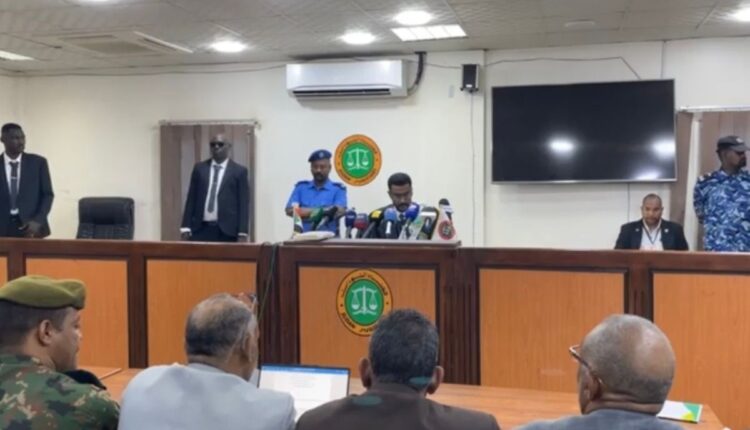
A Sudanese court has sentenced Rapid Support Forces (RSF) leader Mohamed Hamdan Dagalo, widely known as Hemedti, to death in absentia over the 2023 killing of West Darfur Governor Khamis Abdallah Abakar. The ruling, issued Sunday by the Anti-Terrorism and Crimes Against the State Court sitting in Port Sudan, marks the first court verdict against the RSF leader since war broke out between the Sudanese army and the paramilitary group in April 2023.
Fifteen other defendants received the same sentence, including Hemedti’s brothers Abdel Rahim Hamdan Dagalo, the RSF’s deputy leader, and Algoney Hamdan Dagalo Musa, along with the RSF’s former West Darfur commander Abdel Rahman Juma and several tribal leaders and pro-RSF figures linked to the assault on El Geneina.
The defendants were convicted of war crimes, crimes against humanity, genocide, and crimes against persons and property. The court held Hemedti responsible for planning and directing the campaign of destruction and looting and for attacks on civilians, residential areas, schools, and places of worship, while his brother Abdel Rahim was convicted specifically for planning the siege of El Geneina and the forced displacement of its residents.
The killing of Governor Abakar
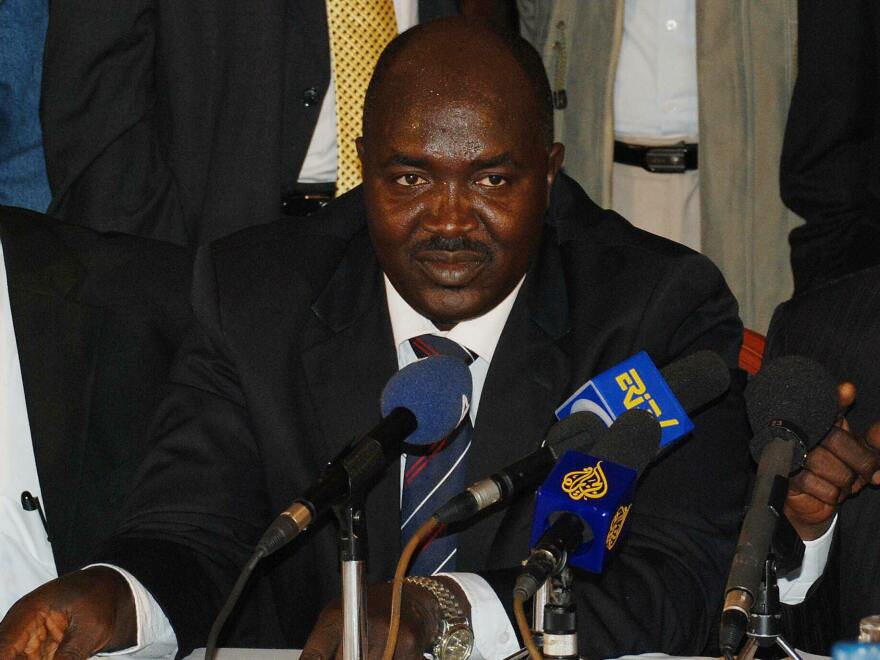
The case centers on the killing of Khamis Abakar, West Darfur’s governor, who was detained by RSF fighters and killed on 14 June 2023, shortly after he publicly accused the RSF of attacking civilians in El Geneina, the state capital. Footage that circulated afterward showed his body had been mutilated.
Atrocities against the Masalit community
The court’s findings describe a systematic campaign against El Geneina’s Masalit community, including killings, the destruction of Masalit neighborhoods, sexual violence, looting, forced displacement, and the burial of victims while still alive. UN experts have previously estimated that between 10,000 and 15,000 people, most of them Masalit, were killed during the violence in El Geneina, which forced tens of thousands of residents to flee on foot toward the Chadian border. The RSF has repeatedly denied allegations of genocide and other war crimes.
What the ruling means
The court ordered the confiscation of RSF assets in favor of the Sudanese government and instructed authorities to pursue Interpol notices to secure the arrest and extradition of the convicted individuals, alongside referral to Sudan’s Supreme Court and other international channels. The presiding judge noted that the crimes are not subject to any statute of limitations and cannot be subject to political pardon under Sudan’s international obligations.
The verdict comes more than three years into a war that has killed tens of thousands of people, displaced more than 11 million others, and produced what the United Nations has described as the world’s largest displacement and hunger crisis. It is the first judicial conviction to reach the RSF’s top leadership since the conflict began.
ICC engagement in the Darfur situation
The ruling comes as the International Criminal Court continues its own investigation into the situation in Darfur. ICC Deputy Prosecutor Nazhat Shameem Khan traveled to eastern Chad last week, meeting with Darfuri communities displaced by the conflict, including in the Farchana and GozBeida camps, to hear directly from victims whose accounts continue to inform the Court’s cases. The Office of the Prosecutor has confirmed that Darfur remains a priority investigation, with evidence gathered reflecting the scale of alleged crimes, the persecution of the Darfuri people, and the extent of sexual violence inflicted on victims.
DNHR sees Sudan’s domestic courts and the ICC as complementary avenues for justice rather than competing ones. Closer collaboration between Sudan’s Serious International Crimes Court and the ICC, including coordination on evidence and victim testimony, would strengthen the prospects for accountability at both the domestic and international level.
DNHR Position
DNHR welcomes this ruling as a significant step toward accountability for the atrocities committed against the Masalit community in El Geneina and West Darfur. A conviction in absentia does not deliver justice on its own. DNHR calls for full cooperation with Interpol to secure the arrest of those sentenced, and for continued investigation into atrocities across all conflict-affected regions of Sudan, including the current situation in El Obeid.
About DNHR
The Darfur Network for Human Rights (DNHR) documents human rights violations in Darfur and across Sudan, and advocates for accountability and civilian protection through engagement with UN and African human rights mechanisms.