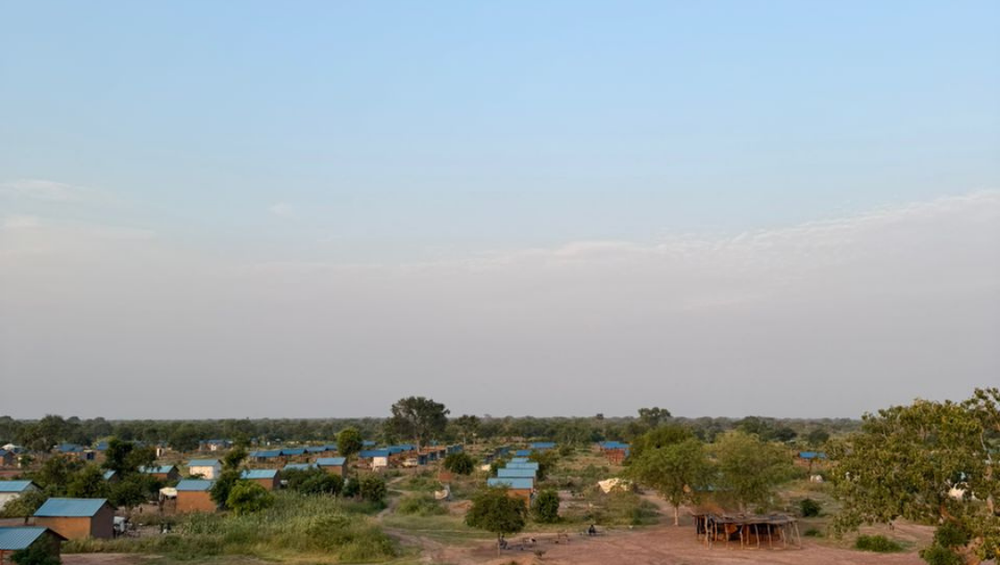
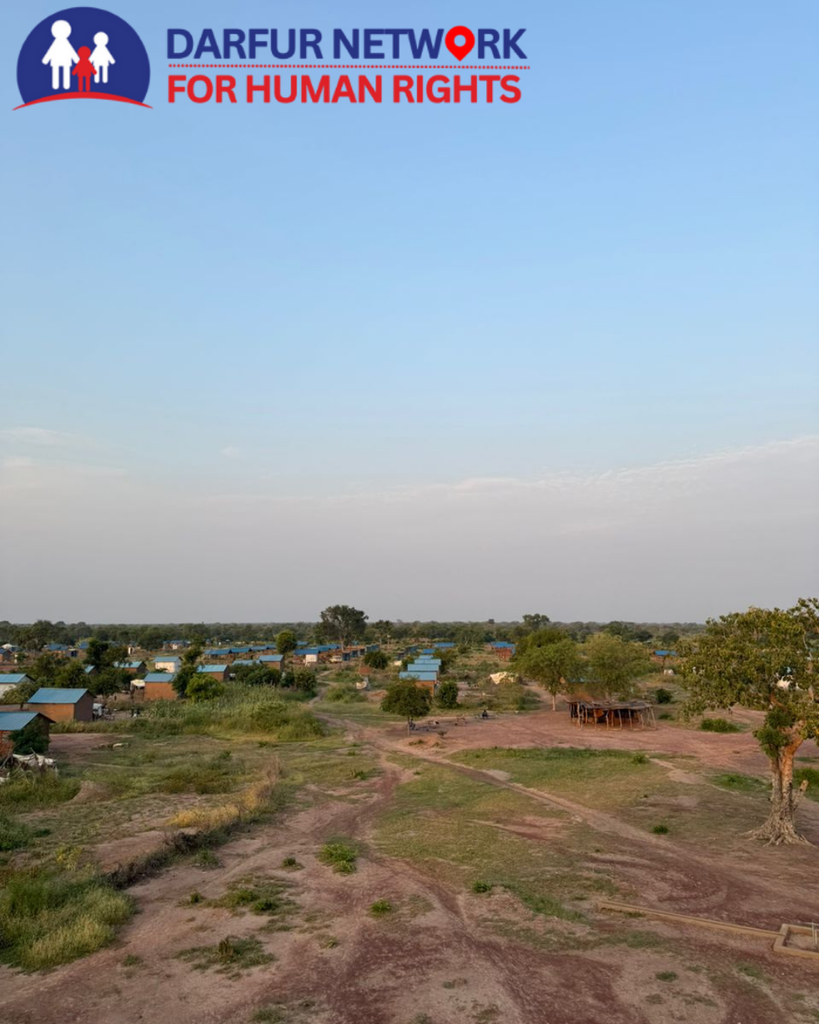
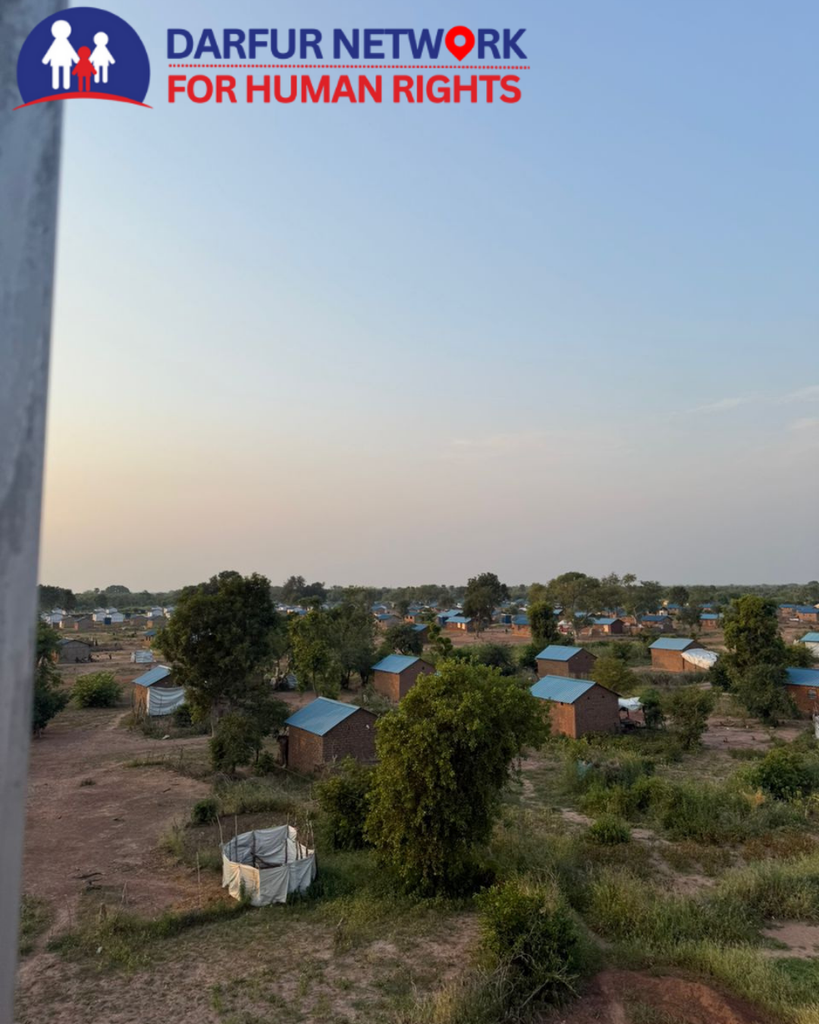
Refugees in Wedweil Refugee Camp, South Sudan, are describing increasingly difficult living conditions. Humanitarian assistance continues to fall short of basic needs. Meanwhile, growing concern is mounting that funding shortages could further reduce or end food support in the camp.
Life on Insufficient Assistance
Nasreen, a refugee living in Wedweil, described the assistance previously provided as insufficient. This amounted to approximately 95 South Sudanese pounds per person per month. Given the high cost of food and essential goods inside the camp, this sum barely covers basic needs.
“If you do not have family members or relatives outside the camp who can send you money or support you, life here is extremely difficult,” she said.
According to Nasreen, the burden falls hardest on people already in vulnerable situations. This includes persons with disabilities, women, and children, particularly those without external financial support to fall back on.
For Nasreen, the stakes are especially high. She is raising young children whose father was killed during the war in Sudan. “This is a very serious issue for me because I have young children, and their father was killed in the war in Sudan,” she said. Her testimony reflects the compounded vulnerability facing refugee families who have already lost so much, and who now face further uncertainty in displacement.
Reports of a Possible Funding Reduction
Concern in the camp has intensified since a meeting held last month. During this meeting, camp residents say a World Food Programme (WFP) representative indicated that September could be the final month of food assistance to refugees in Wedweil. However, DNHR was unable to independently verify this information with WFP at the time of publication.
Wedweil is home to more than 18,000 refugees. Many rely on food aid due to limited employment and income opportunities in the camp. If accurate, a reduction or suspension of WFP assistance would mark a serious escalation of an already strained humanitarian situation, rather than simply a reduction in support that was already insufficient.
A Funding Crisis, Not a Choice
Reports of WFP scaling back operations in Wedweil would reflect a broader pattern. Funding shortfalls are affecting humanitarian agencies across the region, and this is not a decision made independently of donor support. Regardless of the cause, camp residents face the same uncertainty about how they will meet their most basic needs in the months ahead.
Coping in the Face of Uncertainty
Some refugees say they are already weighing difficult options. These include returning to their home country or relocating elsewhere in search of food and livelihood opportunities. However, neither option is straightforward. Such decisions depend on the availability of security, services, and livelihoods at the destination. They also depend on families’ ability to afford the cost of relocating and rebuilding their lives elsewhere.
As the end of September approaches, refugees in Wedweil remain in a state of uncertainty. They are awaiting clarity on whether the assistance they depend on will continue.
DNHR Position
DNHR is concerned by the reports emerging from Wedweil Refugee Camp regarding the adequacy and possible further reduction of humanitarian assistance. Therefore, DNHR calls on WFP and international donors to clarify the status of food assistance in Wedweil as a matter of urgency. Any funding decisions must account for the heightened vulnerability of refugee families who have already experienced conflict, displacement, and loss. DNHR further calls for sustained, adequate humanitarian support for refugees in Wedweil, with particular attention to children, persons with disabilities, women, and other groups facing elevated protection risks.
About DNHR
The Darfur Network for Human Rights (DNHR) documents human rights violations in Darfur and across Sudan. DNHR advocates for accountability and civilian protection through engagement with UN and African human rights mechanisms.