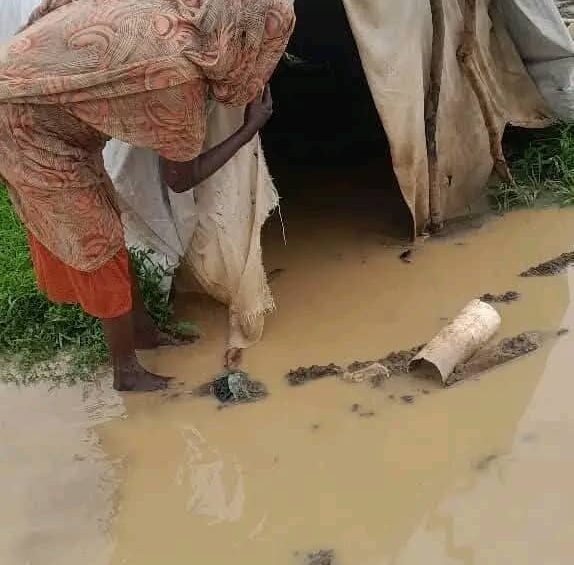
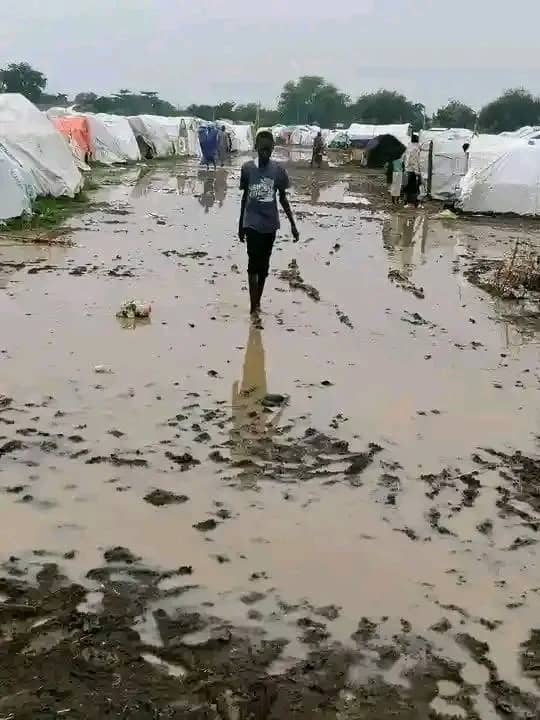
Damazin city and several areas across Blue Nile State are facing a worsening humanitarian situation. Heavy rainfall and flooding continue to deepen the suffering of thousands of displaced persons living in shelters and displacement camps, compounding an already fragile situation shaped by ongoing armed conflict and a weak humanitarian response.
Shelters Damaged, Movement Disrupted
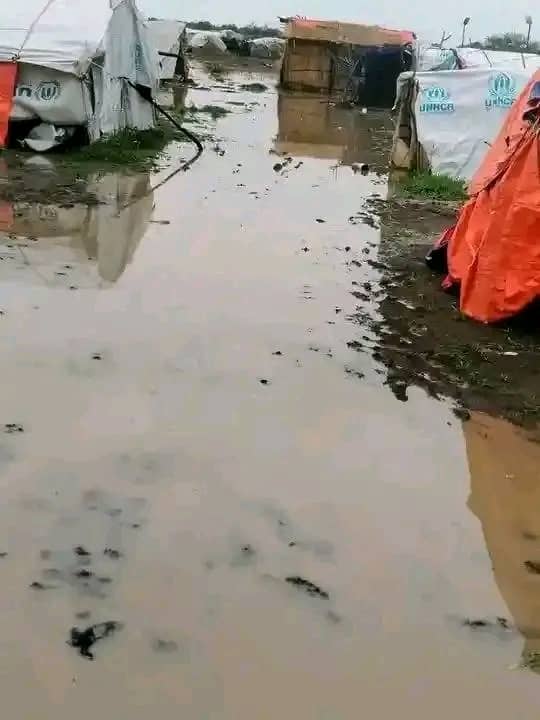
Field information indicates the rains have flooded large parts of displacement sites. As a result, several temporary shelters have collapsed or sustained damage. The flooding has also made it harder for residents to move around, and for humanitarian assistance to reach affected areas.
Rising Disease Risk
Concerns are growing over the spread of rain-related illnesses, including malaria and waterborne diseases. Stagnant water, deteriorating sanitation services, and a lack of safe drinking water are together driving this risk higher.
Deteriorating Living Conditions
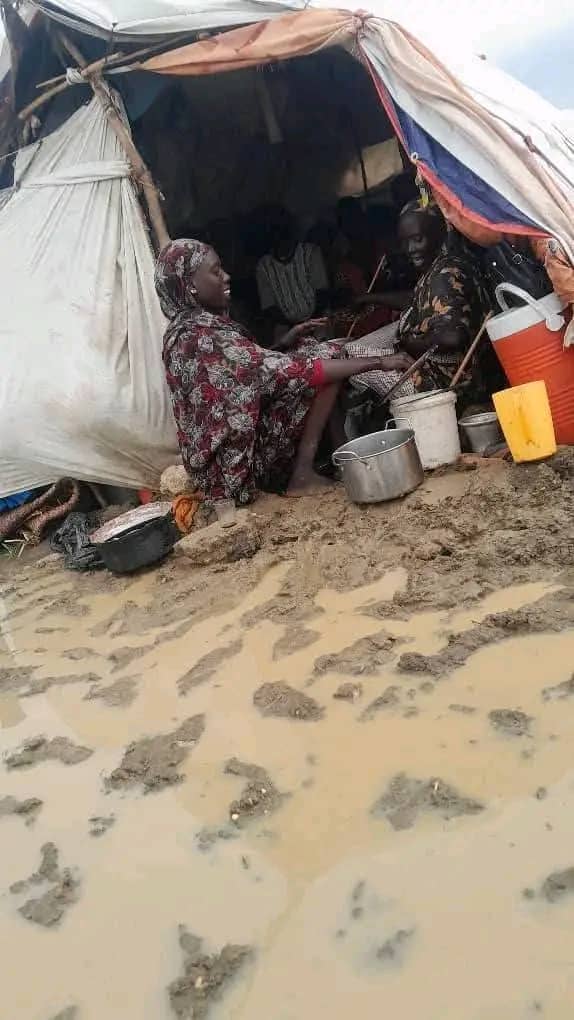
Displaced individuals report that conditions are worsening by the day, with persistent shortages of food, medicine, and shelter materials. Meanwhile, access to healthcare remains limited. These conditions are increasing risks for the most vulnerable groups, including children, women, older people, and persons with disabilities.
An Urgent Humanitarian Appeal
In response, displaced communities have issued an urgent appeal to humanitarian organizations, relevant authorities, and the international community. They are calling for immediate emergency shelter, food supplies, medicine, and clean drinking water, alongside improved sanitation services and measures to reduce the risks of flooding and disease outbreaks.
Overall, field data suggests that continued rainfall, combined with the effects of the armed conflict, will likely deteriorate conditions further. Therefore, an urgent and coordinated response is needed to protect civilians and meet their basic needs.
DNHR Position
DNHR calls on humanitarian organizations and relevant authorities to urgently scale up emergency assistance to displaced communities in Blue Nile State, prioritizing shelter, clean water, sanitation, and healthcare access. In addition, DNHR calls for coordinated flood mitigation measures and disease prevention efforts to protect the most vulnerable, along with unimpeded humanitarian access to all affected areas.
About DNHR
The Darfur Network for Human Rights (DNHR) documents human rights violations in Darfur and across Sudan. DNHR advocates for accountability and civilian protection through engagement with UN and African human rights mechanisms.